TL;DR: Choosing the right Amazon seller tool is the difference between guessing and growing. This guide breaks down how to evaluate FBA software based on your business stage, features, and ROI.
Key Takeaways
- Prioritize tools that offer accurate real-time data for the US marketplace to avoid costly inventory mistakes.
- Choose an all-in-one solution if you are a growth-stage seller to minimize subscription fatigue and data silos.
- Focus on high-impact features like keyword tracking, PPC automation, and competitor sales analysis.
Table of Contents
Note on marketplaces: This guide is specifically optimized for the US market.
The Role of an Amazon Seller Tool in 2026
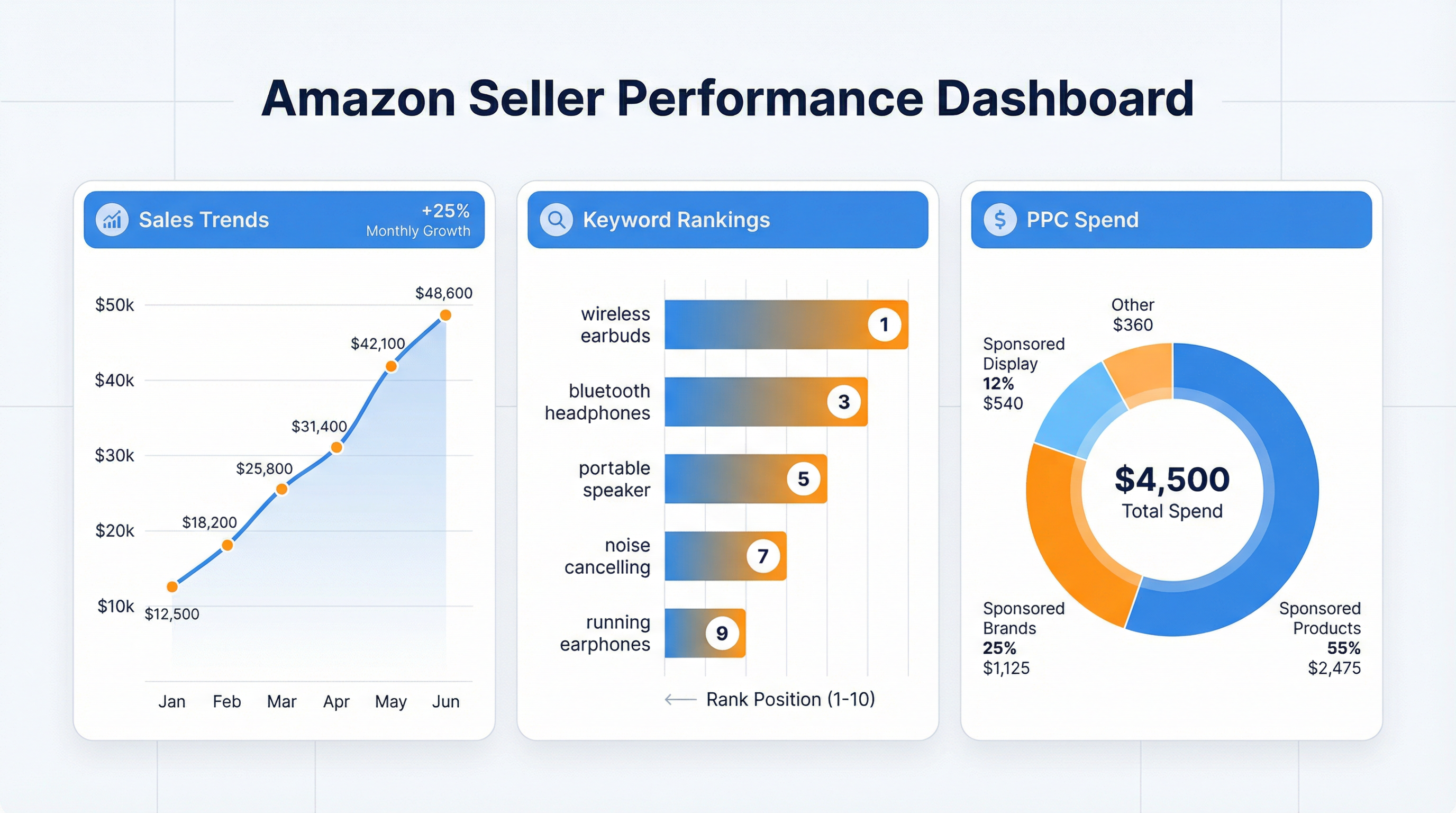
In the highly competitive US marketplace, manual data collection is no longer viable. A comprehensive Amazon seller tool acts as your digital command center, providing insights that the basic Seller Central dashboard lacks. From uncovering hidden niches to optimizing your supply chain, the right Amazon FBA software streamlines operations so you can focus on brand strategy rather than spreadsheets.
Step 1: Identify Your Business Specific Needs
Not all sellers need the same tech stack. A beginner looking for their first product requires a robust Amazon product research tool to validate demand and estimate profit margins. Conversely, an established brand or an operations manager might prioritize Amazon inventory management software to prevent stockouts during peak seasons like Q4. Identify whether you are in the 'Discovery,' 'Launch,' or 'Scale' phase before committing to a long-term plan.
Step 2: Evaluate Essential Feature Sets
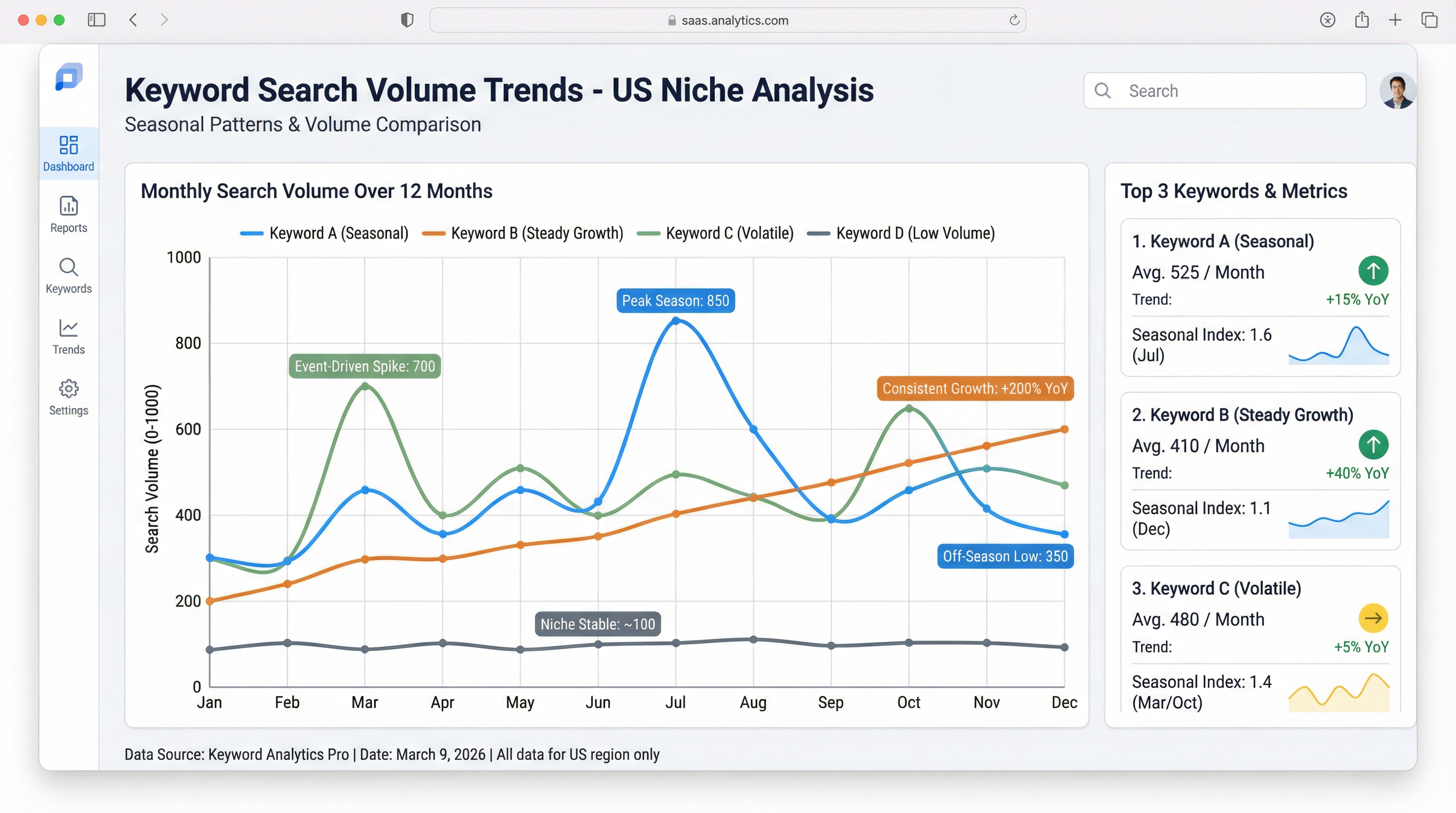
A top-tier tool should offer a cohesive ecosystem. Look for these four pillars: First, an Amazon keyword research tool that identifies high-intent search terms with low competition. Second, an Amazon PPC management tool that automates bidding based on ACoS targets. Third, reverse ASIN lookups to spy on competitor strategies. Finally, ensure the data accuracy for the US market is verified by third-party reviews, as inaccurate data can lead to massive over-ordering or missed opportunities.
Step 3: Analyze Cost vs. Value for US Sellers
While free tools exist, they often come with limited data or delayed updates. For serious sellers, an all-in-one suite is usually more cost-effective than piecing together separate services. When comparing platforms, look at the limit on tracked keywords and the depth of historical data. You can find a detailed breakdown of the best Amazon seller tools currently dominating the market to see which fits your budget and scaling needs. For a deeper dive into how different platforms stack up, check out our comparison of Helium 10 vs. Jungle Scout vs. SellerSprite.
FAQ
What are the best free Amazon seller tools for beginners starting in the US market?
Beginners often start with free browser extensions for basic sales estimates or Amazon's own 'Opportunity Explorer'. However, for accurate US market data, many professional tools offer limited free versions or trials that provide much more reliable keyword and competition data than completely free alternatives.
How do I choose the right Amazon seller tool for product research and keyword tracking?
Focus on two metrics: data freshness and feature integration. The tool should update search volumes frequently and allow you to seamlessly move a found product into a keyword tracking list. Check if the tool offers a 'Reverse ASIN' feature, which is essential for tracking what keywords are actually driving sales for your US-based competitors.
Can an Amazon seller tool help automate my FBA inventory management and PPC campaigns effectively?
Yes, advanced software can sync with your Seller Central account to forecast inventory needs based on historical US sales velocity. For PPC, these tools use algorithms to adjust bids hourly, ensuring you don't overspend on low-converting keywords while maximizing visibility for your top-performing search terms.
Next Steps
- Audit your current workflow to identify where you spend the most manual time (e.g., keyword hunting or PPC bidding).
- Sign up for a free SellerSprite account to start exploring real-time US marketplace data today.
References
By SellerSprite Team
The SellerSprite Team consists of seasoned e-commerce analysts and Amazon SEO experts dedicated to providing data-driven insights for global sellers. With years of experience in the US and EU marketplaces, we help sellers navigate the complexities of FBA software to maximize growth and profitability.