Black Friday is not just a one-day discount sprint. For Amazon sellers, it is a multi-week funnel where demand discovery, keyword coverage, conversion assets, and paid amplification work together. The best Amazon Black Friday strategy for 2025 is simple: select products with clear demand signals, establish a keyword system you can execute, upgrade the listing into a gift-ready decision page, then scale PPC with guardrails so you do not burn margin.
Key takeaways
- Winning Amazon Black Friday listings look giftable in the first 3 seconds: first image, title, bullets 1 to 2, and a clear value reason.
- Product selection is a data problem: track 30-day sales velocity, price band, review moat, and trend direction before you buy more inventory.
- Keyword success is cluster coverage, not one hero term: map primary, attributes, modifiers, and conversion long tails into listing and PPC separately.
- Amazon Black Friday PPC strategy should mirror intent: defend winners, expand adjacency terms, and explore with tight negatives and fast cut rules.
- Promotions should protect margin and rank: plan discount depth, coupon stacking, and inventory so you do not create a stockout crash.
- Post Black Friday gains matter: turn surge keywords into evergreen ranking, remarket bundles, and lock in reviews and repeat buyers.
TL;DR quick playbook (Amazon Black Friday strategy for 2025)
- Research demand by marketplace (Amazon US, Amazon UK, Amazon DE): confirm trend direction and a realistic review moat.
- Shortlist 3 to 5 competitors: reverse ASIN them to find high-converting keyword clusters and gift intent terms.
- Build a keyword system: separate listing keywords, backend search terms, and PPC exploration terms.
- Upgrade the listing: title and first image telegraph gift value, bullets show outcome, then proof, A plus answers objections.
- Set promotion guardrails: discount depth, coupon rules, bundle plan, and break-even math before you launch.
- Launch PPC in three layers: defend, expand, explore. Reallocate budget daily based on conversion and TACoS.
- After the peak: capture keyword winners, reduce bids gradually, and turn seasonal traffic into evergreen gains.
On this page
- Black Friday strategy overview for Amazon sellers (2025)
- Data-led product research for Amazon Black Friday
- Keyword and listing optimization for Amazon Black Friday
- Amazon Black Friday PPC strategy: bids, budgets, and dayparting
- Promotions and pricing without killing margins
- Inventory and operations: avoid stockouts and late arrivals
- Post Black Friday follow-up and evergreen gains
- FAQ
- About the author
- References
Black Friday strategy overview for Amazon sellers (2025)
The best Amazon Black Friday playbook is a system that connects four things: product demand signals, keyword intent coverage, a listing that answers objections fast, and PPC that scales winners without overspending. If any one of these is weak, the discount cannot save you.
The 4-part funnel you should build
- Discovery: shoppers search gift and deal terms, then compare quickly.
- Evaluation: listing images and bullets, decide if it is a safe gift choice.
- Amplification: PPC boosts visibility and keeps you on top of the right queries.
- Retention: post-event buyers become repeat customers, and keywords become evergreen rank.
Real seller scenario (anonymous)
A mid sized Home and Kitchen accessory seller prepared six weeks early by rebuilding keywords into gift clusters and rewriting the first two bullets around gift outcomes. During the Black Friday week, they reported a click-through rate lift in the 10% to 20% range on Sponsored Products and a conversion lift in the high single digits, without increasing discount depth. The difference was not the price. It was keyword to creative alignment.
How to choose winning products for Amazon Black Friday using data
Data-led product research for Black Friday means you do not guess winners. You filter for rising demand, acceptable competition, and a profit model that still works when you add ads and discounts.
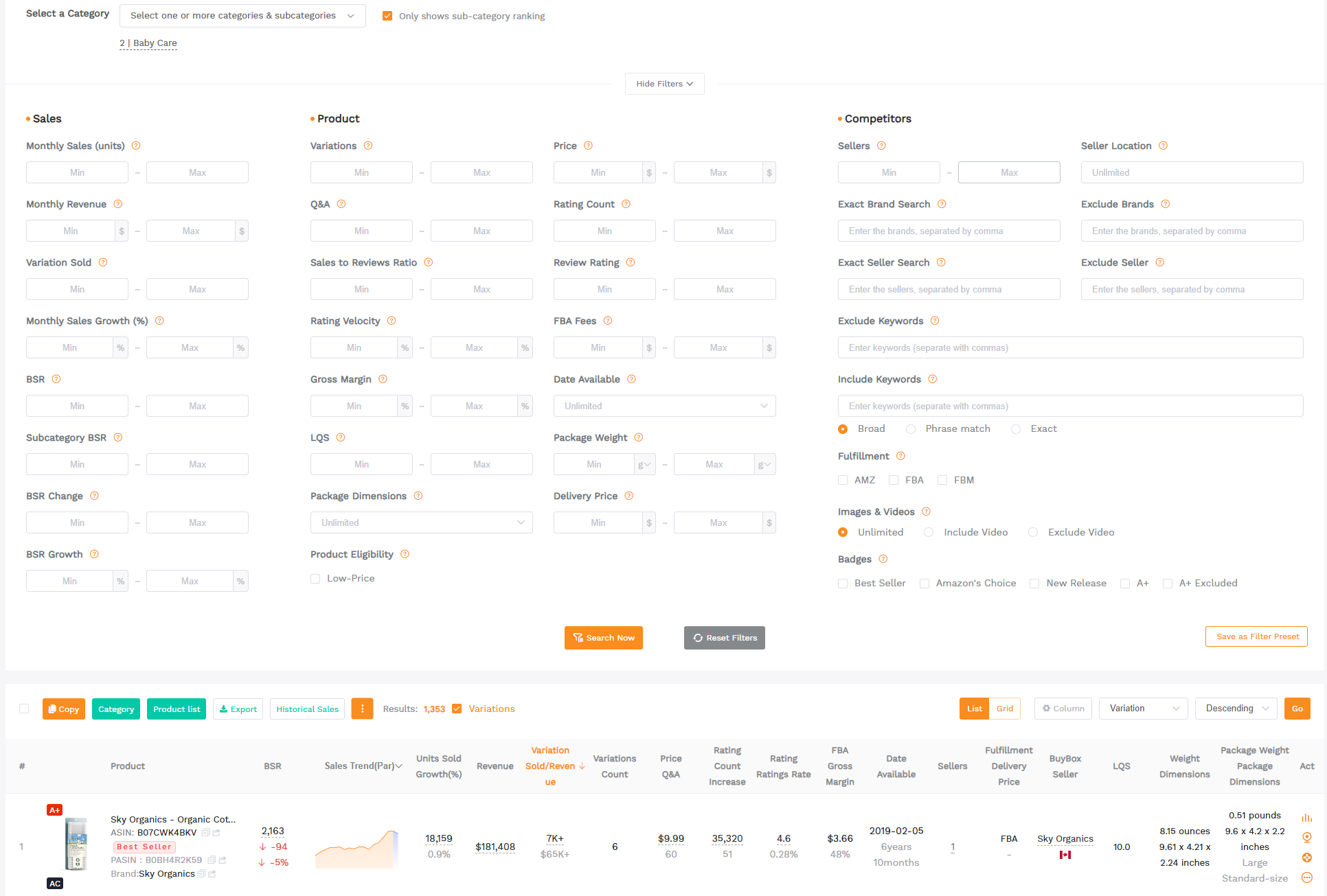
Product selection metrics that matter (and what to look for)
Pro Tip
Build a simple "giftability score" (1 to 5) for each candidate product based on whether it naturally fits gift recipients, price ceilings, and easy-to-explain benefits. This score becomes your keyword tags and your Sponsored Brands headline themes later.
How to do it in SellerSprite (professional workflow)
- Trend scan by marketplace: use Product Research and Category Insights to review 3 to 12 month demand curves for your core category and adjacent gift categories.
- Reverse ASIN reality check: pick 3 to 5 top ASINs per sub niche, then use Reverse ASIN to identify high-converting keyword clusters and recurring selling points.
- VOC risk scan: Use Review Analysis to spot return drivers (fit, durability, confusing setup) and turn them into your listing proof points.
- Profit guardrails: use Profitability Calculator and Discount Price Calculator to validate break-even with your planned discount and peak CPC.
Real seller scenario (anonymous)
A small Electronics accessory brand targeted Amazon US and Amazon UK. They used Reverse ASIN on three category leaders and found a set of compatibility long tails and gift under $25 modifiers. After rebuilding their listing images around compatibility proof, they saw a noticeable drop in wasted clicks from mismatched devices and kept ad efficiency stable during the surge, even as CPC rose.
Find 10 Black Friday-ready products in 10 minutes.
Run data-led product research across Amazon US, UK, and DE using SellerSprite filters, trend curves, and competitor benchmarks.
Keyword and listing optimization for Amazon Black Friday
The fastest way to win Black Friday search is to cover the full query cluster behind the purchase, then make your listing answer gift objections instantly. Keyword coverage gets you seen, and listing clarity gets you paid.
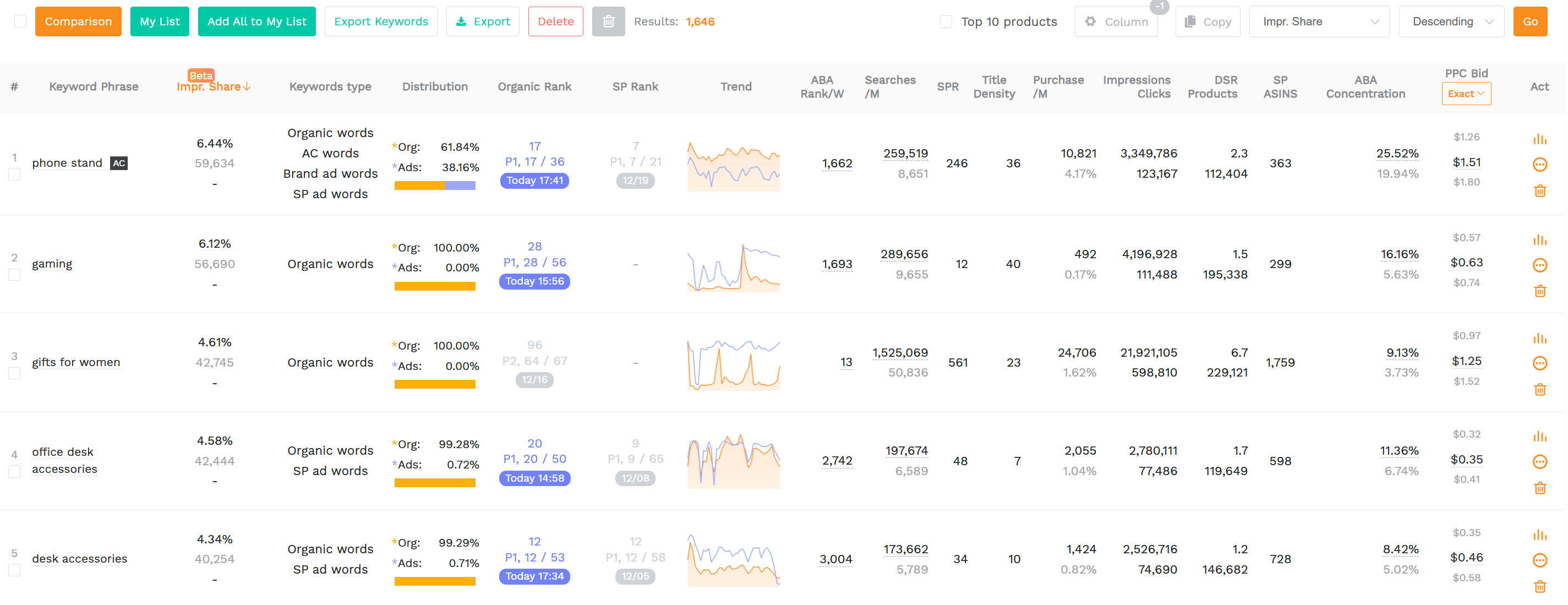
Build a keyword system (not a spreadsheet graveyard)
Organize your Amazon Black Friday keywords into four layers so you can deploy them across listing and PPC with intent alignment.
- Primary terms: black friday [category] deals, gifts for [recipient], core use case phrases.
- Core attributes: size, material, compatibility, color, bundle count.
- Modifiers: best, top rated, under $25, under $50, for work, for travel.
- Conversion long tails: pain point phrases, exact fit phrases, gift recipient phrases.
Professional use case: Search terms report + Reverse ASIN to find high-converting long tails
- Start with your best-selling ASIN and the 3 top competitors.
- Run Reverse ASIN to capture keywords driving top of search visibility.
- Filter for terms that show intent: gift, for [recipient], under $25, plus your compatibility and pain point phrases.
- Use Keyword Mining to expand related long tails and dedupe into one master list.
- Tag terms by intent (gift, specs, pain point, brand, competitor) and split into Listing, Backend, and PPC Exploration sets.
Pro Tip
Create two separate keyword outputs: one for customer-facing copy (title, bullets, A plus) and one for PPC testing. If you mix them, you either stuff the listing, or you starve PPC of exploration terms.
Common mistake
Only targeting one or two head terms. Black Friday shoppers often search in gift language and constraints (recipient, budget, use case). If you are not present on those clusters, you are invisible even with a discount.
Listing templates you can copy (title, bullets, and images)
Title slot template
[Primary Keyword] + [Defining Attribute] + [Clear Use Case] + "Gift" signal + [Compatibility or Size]
Example: "Insulated Coffee Tumbler 30oz, Spill Proof Lid, Gift for Commuters, Fits Most Cup Holders"
Bullet framework
- Bullet 1 outcome: what the buyer gets after using it.
- Bullet 2 differentiator: the one reason you are easier to choose.
- Bullet 3 giftability: ready to gift, who it is for, and why it is safe.
- Bullet 4 proof: materials, testing, warranty, or credible specifics.
- Bullet 5 in the box: bundle contents and compatibility.
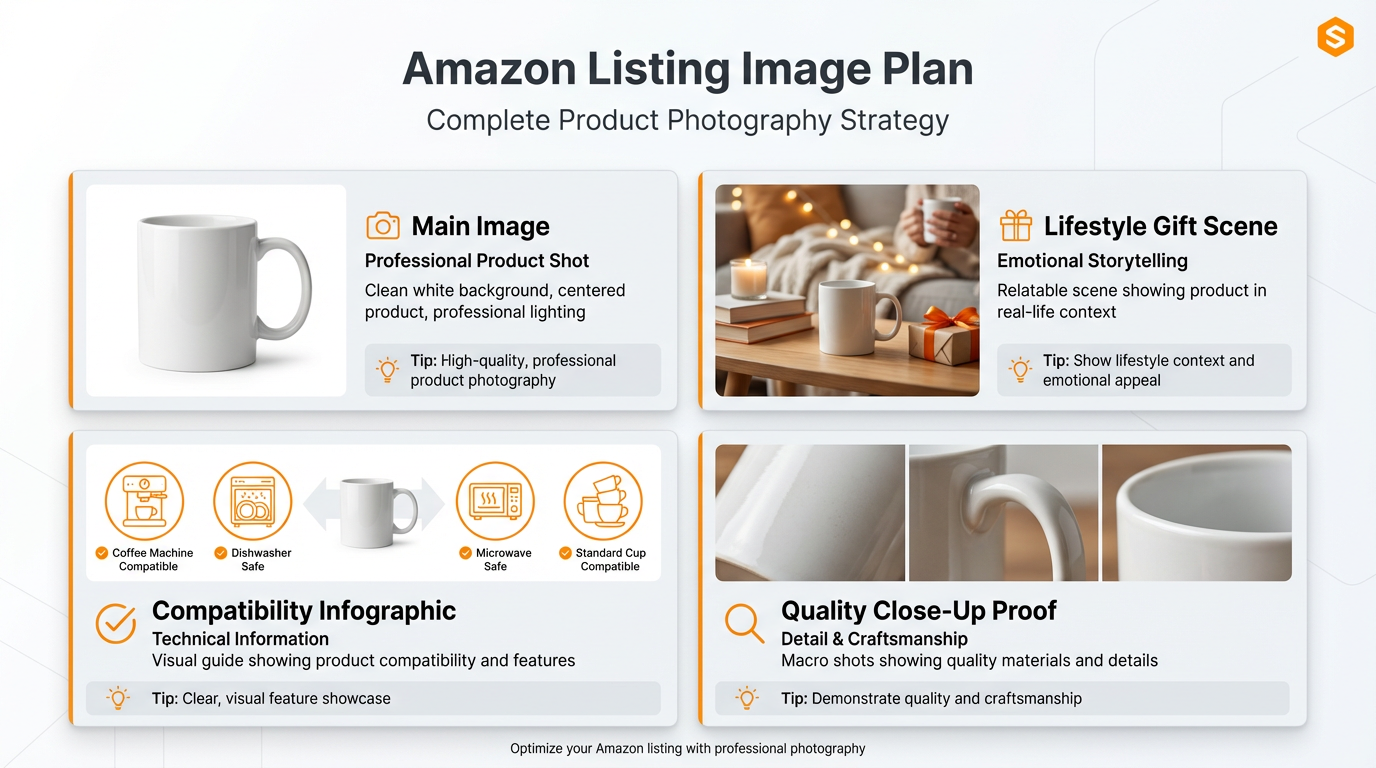
Figure 3. Screenshot idea: a simple image storyboard that turns your listing into a gift-ready decision page.
Real seller scenario (anonymous)
A Beauty gift set seller on Amazon DE improved conversion by adding two images: a clear "gift-ready packaging" shot and an ingredient safety proof infographic. They also rewrote Bullet 1 and Bullet 2 to match the top gift intent keywords they found via Reverse ASIN. The result was a measurable lift in add to cart rate during the peak window, even with similar pricing to competitors.
Discover your highest converting Black Friday keywords
Reveal competitor keyword clusters, expand long tails, and map intent tags for listings and PPC.
Amazon Black Friday PPC strategy: bids, budgets, and dayparting
The best Amazon Black Friday PPC strategy is portfolio-based. You defend proven winners, expand into adjacent demand pockets, and explore with strict spend caps and fast negative harvesting.
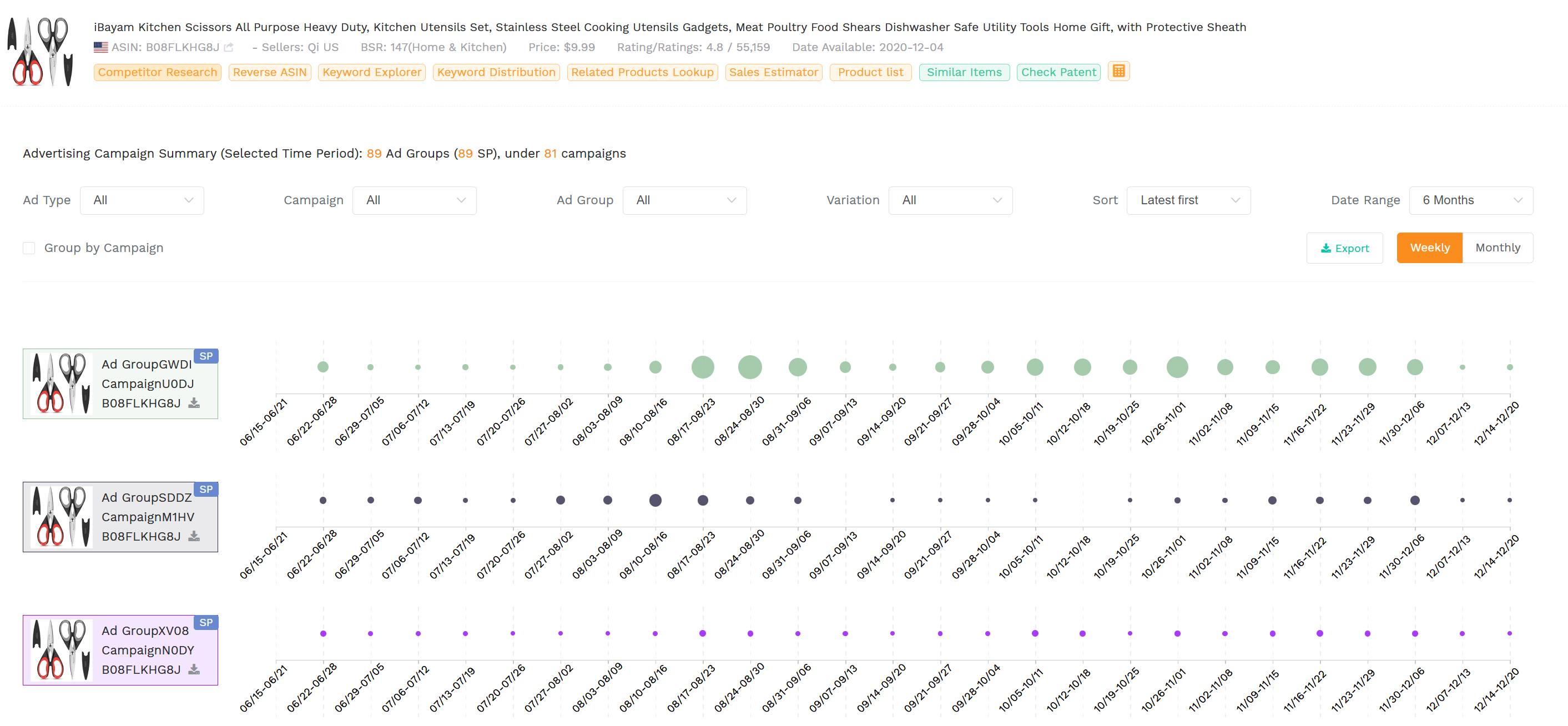
A simple PPC structure you can run
- Brand defense: brand terms and branded product targets, keep rank stable.
- Category intent: core category terms with strong purchase intent, phrase, and exact match.
- Competitor conquest: product targeting on competitor ASINs where you have a clear advantage.
- Auto discovery: controlled auto with tight negatives to surface breakout terms.
- Gift intent layer: ad groups built around gift for [recipient] and under $25 or under $50 modifiers.
Budget allocation before, during, and after the peak
Pro Tip
Set two rules before peak starts: a spend cap for exploration campaigns, and a promotion rule for winners (move to exact, raise budget, add listing keyword, add image proof). This prevents chaos when CPC climbs.
Common mistake
Raising bids everywhere. If you increase bids on unproven terms during peak, you pay a surge CPC without conversion proof. Defend what already converts first, then expand with intent-based ad groups.
See which competitors are buying your Black Friday traffic
Use Ads Insights to spot competitor coverage, defend your winners, and prioritize conquest targets.
How much discount should you offer without killing margins
Your promotion should increase conversion and visibility while keeping you above break-even after fees and ads. Plan discount depth based on your margin math, not competitor panic.
Promotion options and their tradeoffs
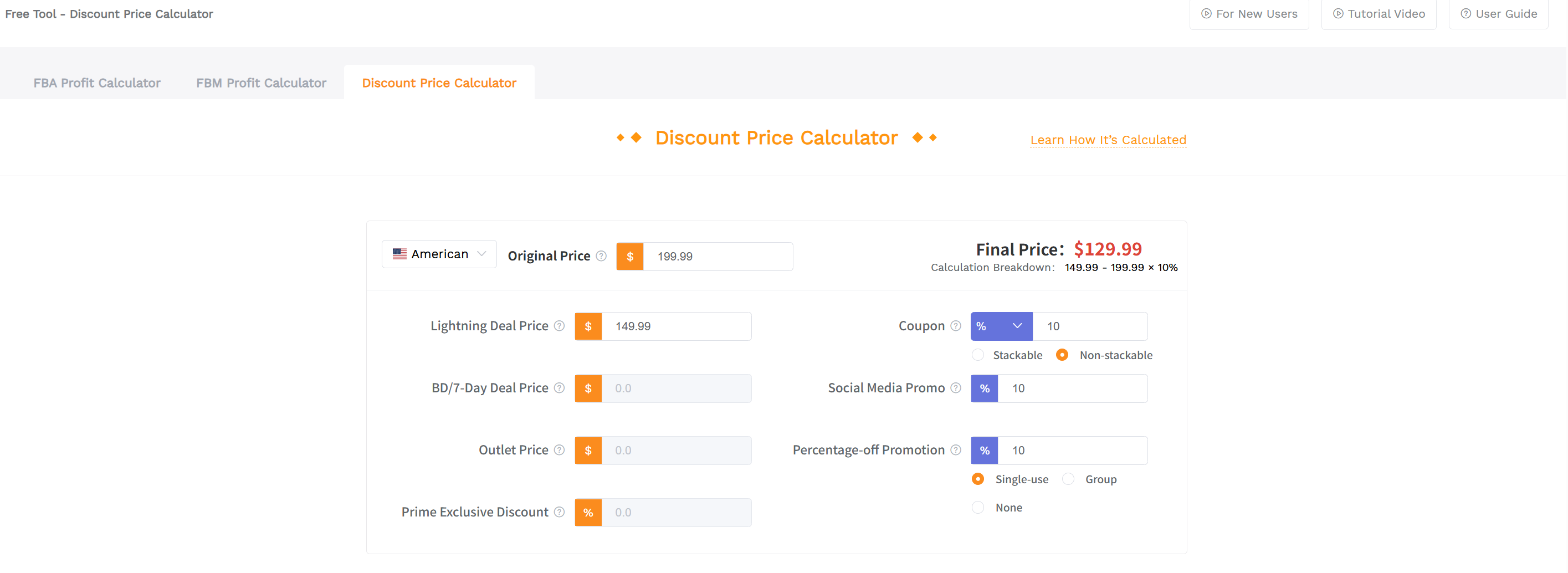
Common mistake
Stacking discounts without a guardrail. A coupon, a price drop plus higher bids can turn your best seller into a loss leader. Always compute profit after fees and your peak CPC assumption.
Pitfall story (anonymous)
One seller ran a deep coupon and increased bids across all campaigns on day one. Sales rose, but profit dropped sharply because CPC spiked and coupon redemptions were higher than expected. The fix was to cap exploration spend, raise bids only on proven terms, and switch from a deep coupon to a smaller round number discount.
Inventory and operations: avoid stockouts and late arrivals
The most expensive Black Friday mistake is running out of stock. If you stock out, rank collapses, PPC loses efficiency, and your recovery costs more than the extra inventory would have.
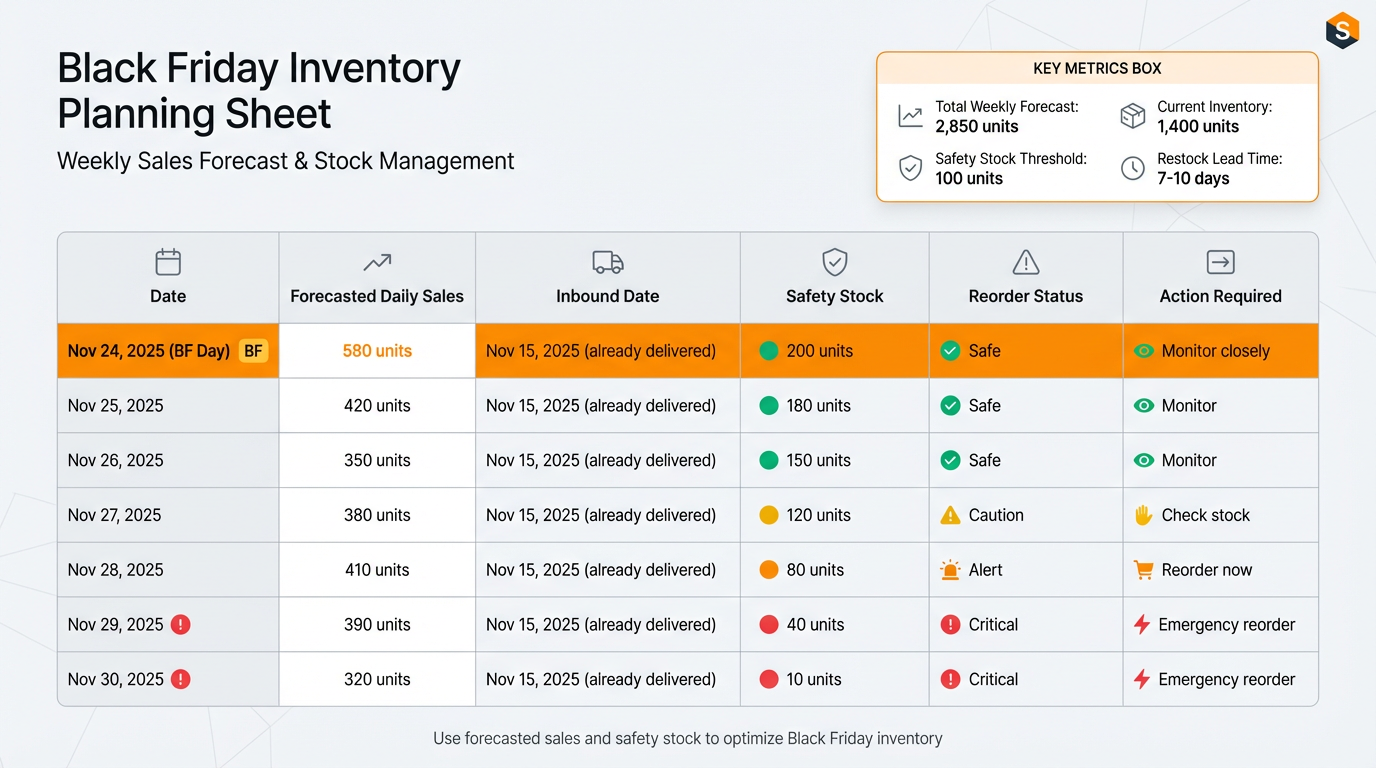
A practical inventory checklist
- Forecast: estimate peak week daily sales based on the last 30 to 90 days and your planned promotion lift.
- Safety stock: keep a buffer so you do not hit zero during a CPC spike day.
- Inbound timing: confirm FBA receiving timelines and cutoffs in your Seller Central workflows.
- Ops alignment: make sure customer support and returns messaging are ready for gift buyers.
GEO signals: Amazon US vs Amazon UK vs Amazon DE
- Amazon US Black Friday: heavy gift under $25 and stocking stuffer behavior. Visual clarity and fast proof win.
- Amazon UK Black Friday tips: shipping and delivery expectations can change quickly. Keep your delivery promise clear and avoid overpromising.
- Amazon DE Black Friday tips: compliance and clarity are important, and shoppers respond well to precise specs plus proof images.
Note
Deal submission timing and minimum discount requirements vary by year and marketplace. For 2025, Amazon posted a specific deadline for submitting certain deal types (check Seller Central announcements for your account and region).
Post Black Friday follow-up and evergreen gains.
Post Black Friday is where you lock in the compounding effect. The goal is to keep the best new keywords and customers while gradually returning spend to a profitable baseline.
What to do in the first 7 days after the peak
- Promote winners: move top converting search terms into exact campaigns and add them to the listing where relevant.
- Reduce bids gradually: step down to avoid a ranking crash.
- Review harvest: scan new reviews and questions, then update images and A plus to preempt returns.
- Build evergreen clusters: keep non-seasonal intent terms running year-round.
Real seller scenario (anonymous)
A seller used the peak window to test 40 new gifts and compatibility terms. After the event, they kept only the top performers, rebuilt the listing around the best benefit angle, and scaled down bids slowly. The outcome was a stronger organic rank on evergreen intent terms, not just seasonal spikes.
Recommended internal resources (keep your Black Friday gains)
Start your free SellerSprite trial and build your Black Friday system
Product research, Reverse ASIN keyword discovery, listing workflows, and PPC insights for Amazon US, UK, and DE sellers.
FAQ
These answers are based on recurring seller questions we see across Amazon US, UK, and EU marketplaces during peak season.
When should I start preparing for Amazon Black Friday?
Start 4 to 8 weeks in advance so you have time to validate demand, refresh listing assets, test PPC winners, and secure inventory. Deal submission windows can close earlier than you expect, so monitor Seller Central announcements.
How much discount should I offer for Black Friday on Amazon?
Offer the smallest discount that still increases conversion, and confirm your break-even after fees and peak CPC. If your listing is not gift-ready, deeper discounts often just buy low-quality traffic.
What are must have Black Friday keywords are for Amazon listings?
Do not rely on one universal list. Build clusters around your category, recipient, budget ceilings (under $25, under $50), and use case. Use Reverse ASIN plus Keyword Mining to capture what actually converts in your niche.
How do I adjust Amazon PPC bids during Black Friday?
Increase bids only on proven converting terms and protect budgets for those campaigns. Cap exploration spend, add negatives fast, and step down bids gradually after the peak to avoid ranking drops.
How much inventory should I send to FBA for Black Friday?
Forecast peak daily sales, add a safety buffer, and plan for receiving delays. Stockouts can cause a rank crash that is hard to recover from, even after you restock.
Should I focus on Amazon US or Amazon EU first?
Start where you already have reviews and conversion momentum. Then replicate the system to Amazon UK and Amazon DE with localized keyword clusters, compliance needs, and shipping expectations.
How do I keep the gains after Black Friday?
Promote keyword winners into exact campaigns and listing copy, build evergreen intent clusters, improve images based on Q and A and reviews, and reduce bids gradually so rank stays stable.
Share Your Sourcing Journey With SellerSprite Community
Join the SellerSprite community on the Facebook Group to share your sourcing journey, ask questions, and get support from fellow Amazon sellers.
View The SellerSprite Course Directory
Ready for the next step? Open the SellerSprite Academy course directory to continue building your Amazon FBA skills chapter by chapter.
About the author
SellerSprite Team
We are a team of Amazon strategists focused on data-led product research, keyword systems, listing optimization, and PPC workflows across major marketplaces (Amazon US, UK, DE, and more). This playbook is built from repeatable patterns we see in seller audits and seasonal performance reviews, then translated into steps you can execute inside SellerSprite.
References
- Amazon: How to drive sales during Black Friday and Cyber Monday (BFCM guide)
- Amazon Seller Central announcement: Plan your Black Friday and Cyber Monday deals by October 28, 2025
- Google Trends Help: Compare Trends search terms (region and term comparison)
- SellerSprite: Reverse ASIN guide
- SellerSprite: Ads Insights guide